

When Oil Spikes, Print Waste Becomes a Profit Killer
Written by Lidor Sweary, 13 Jul 2026
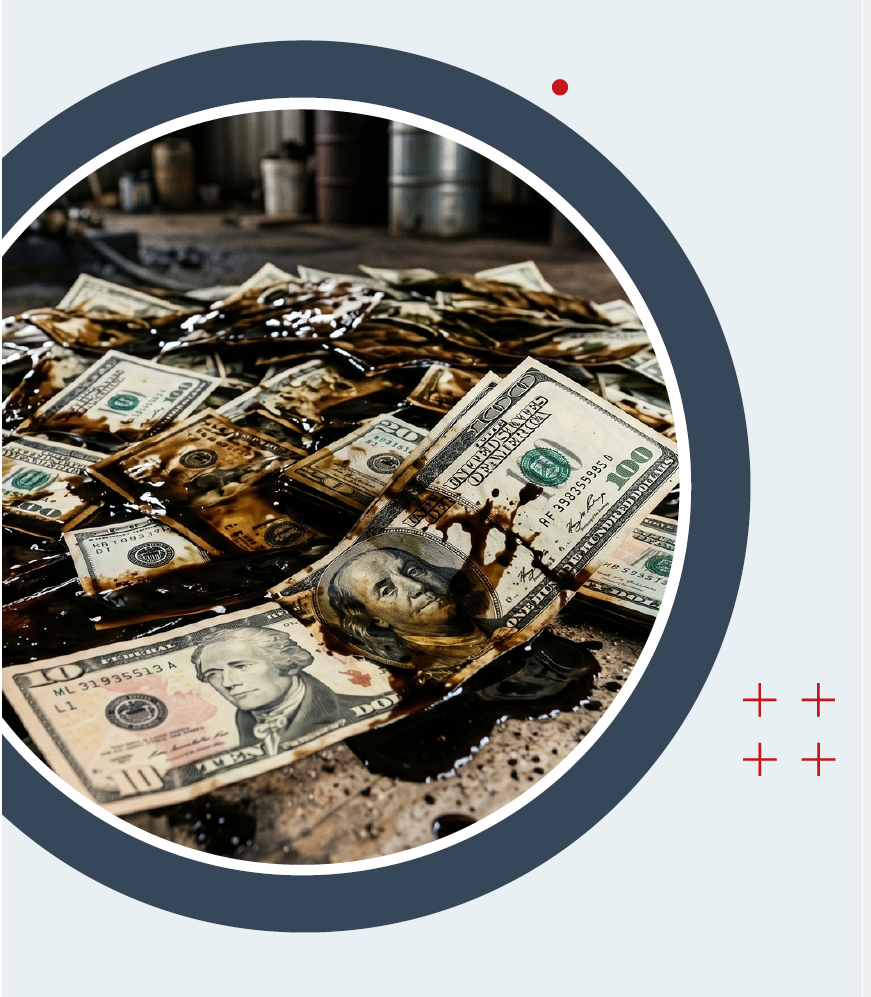
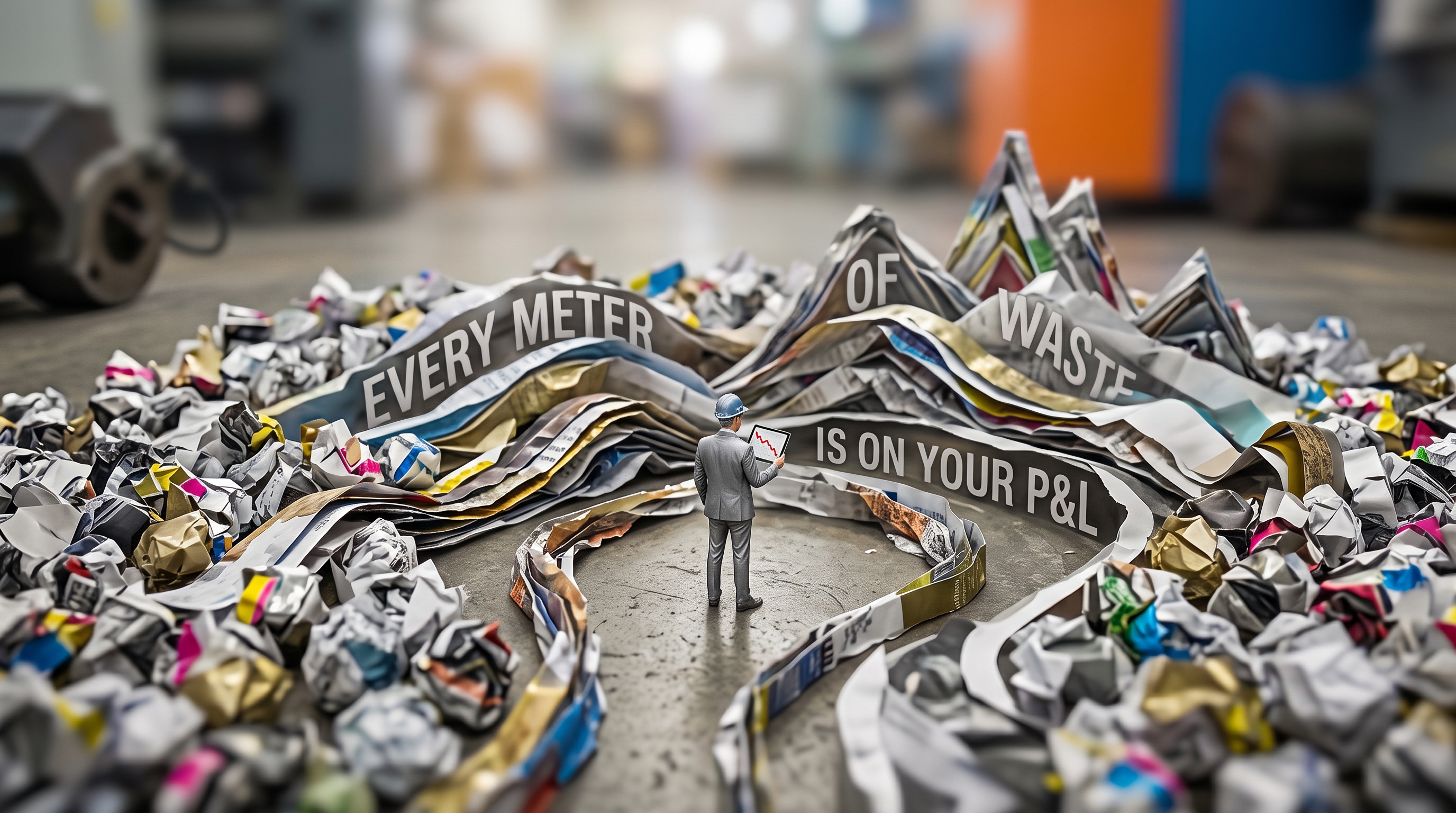
Every barrel of crude oil that costs more turns every wasted meter of film into a bigger loss.
When Brent crude hit $138 per barrel in April 2026 and raw material prices surged more than 100% in some categories, flexible packaging converters found that the cost of a print defect stopped being a rounding error. With raw materials representing roughly 75% of converter material purchases (FPA, 2025) and roughly 60-80% of total film cost tied to oil-derived inputs, the financial penalty for scrap scales linearly with crude.
What drives your costs
Oil is the most direct input cost driver, but it is far from the only one. Covid-19 shut ports and choked supply chains. Geopolitical events disrupted key trade routes overnight. The EU’s PPWR regulation began applying from August 2026 with hard recyclability mandates. Any event that restricts supply, inflates logistics costs, or tightens raw material availability raises the financial penalty for every meter of film wasted on the production floor.
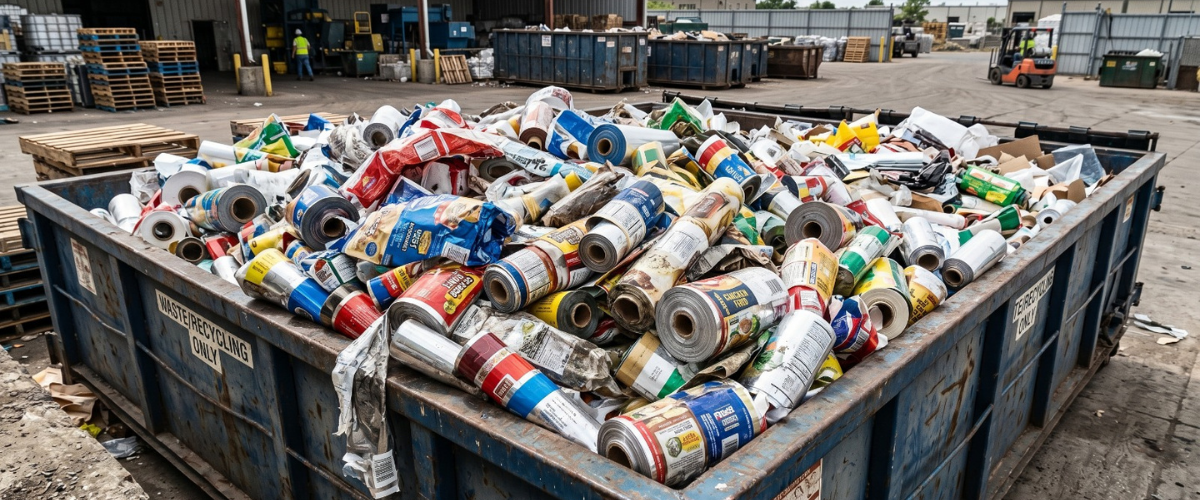
Converters who scrap 8% of substrate at $1,500 per ton lose differently than those who scrap 8% at $3,000 per ton. Your scrap rate stays the same. The dollar amount behind it does not.
This report makes the financial case that inline print inspection has quietly become one of the most effective hedges against oil volatility and any external cost shock that drives substrate prices up.
What’s in this report
This report was built for production managers, quality leaders, and plant managers at label and flexible packaging converters who manage substrate budgets, press schedules, and brand-owner relationships. It covers:
01 The Mechanism: How crude oil flows into every meter of film, the exact cost pass-through from barrel to press, and how fast an oil spike lands on your materials bill.
02 Volatility: How the April 2026 oil shock, Covid-era supply chain disruptions, and European energy costs have changed the calculus for converters on both sides of the Atlantic.
03 The Cost of Scrap: The real dollar cost of a 10% waste rate at four different film price levels, with specific figures for a representative mid-size converter. The number most teams have never totaled up.
04 The Return: What 100% inline inspection actually delivers, with results from Plastica, Wipak, and American Fuji Seal. Plus the production losses inline inspection catches that most converters still absorb silently.
05 Compliance: The EU PPWR regulatory timeline from 2030 through 2040, and why your scrap rate is now a compliance metric, not just a cost line.
06 The Thesis: The converging case for inspection investment across quality, cost, and regulation.
07 The Takeaway: The waste reduction recovery math, and what each month of delay is costing you.
+ FAQ: Questions converters ask, answered with specific data points from the report.
What’s eating your margins right now
Flexible packaging converters face pressure from multiple directions at once. When two or more hit at the same time, the combined impact on your bottom line multiplies. Most converters can name these pressures. Fewer can quantify what each one is actually costing them.
Oil Price Volatility — Brent peaked at $138/barrel in April 2026. Raw material costs surged over 100%. Your scrap rate didn’t change. Do you know what that 10% costs you at $2,500/ton vs. $3,750/ton?
Supply Chain Disruption — Covid shut ports. Geopolitical events disrupted trade routes. Any event that tightens material availability raises the price of every wasted meter on your floor. How many meters will your current scrap rate burn through before you can react?
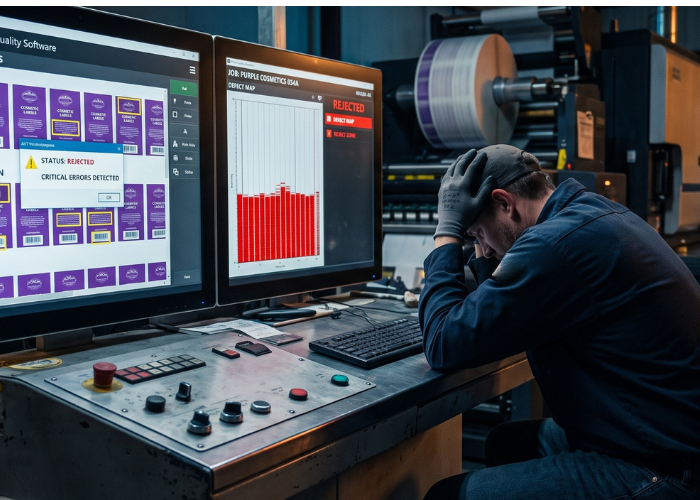
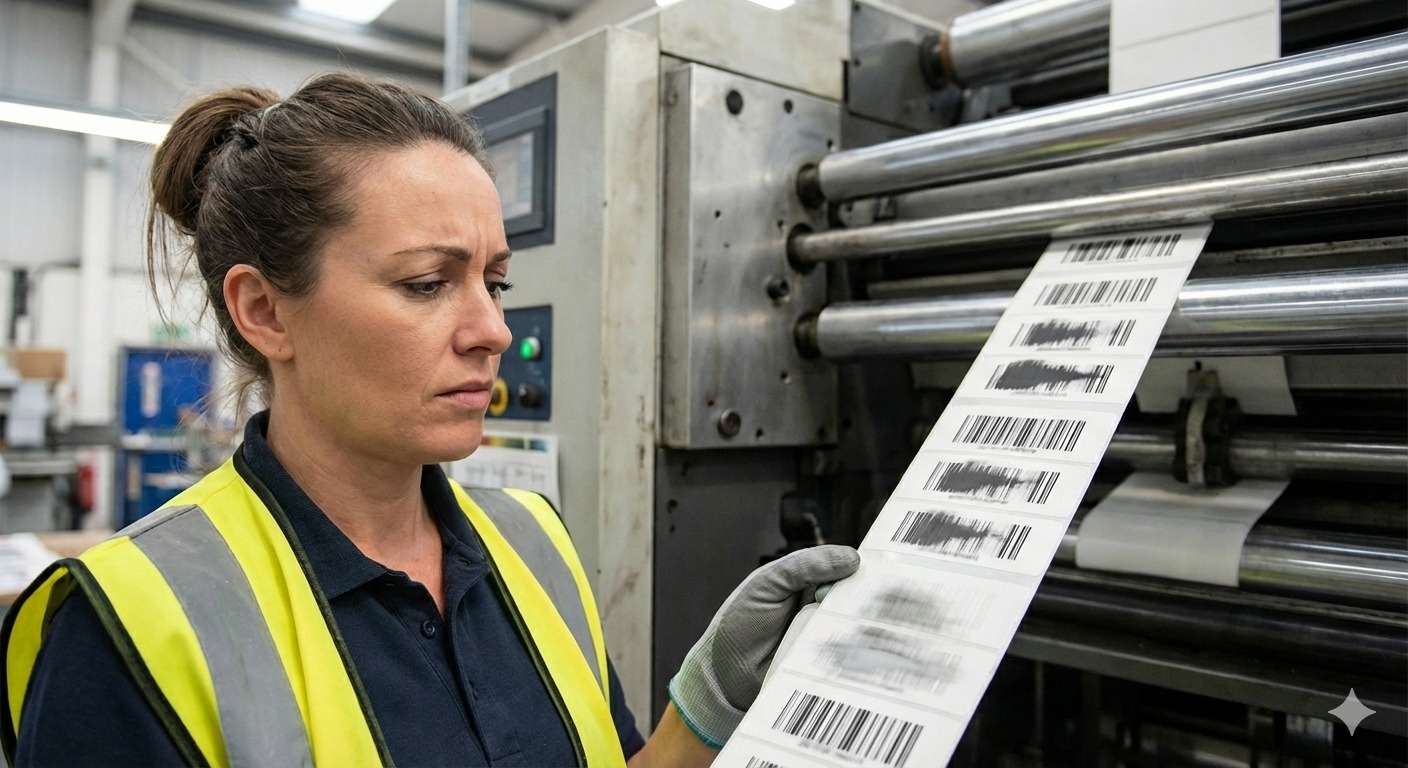
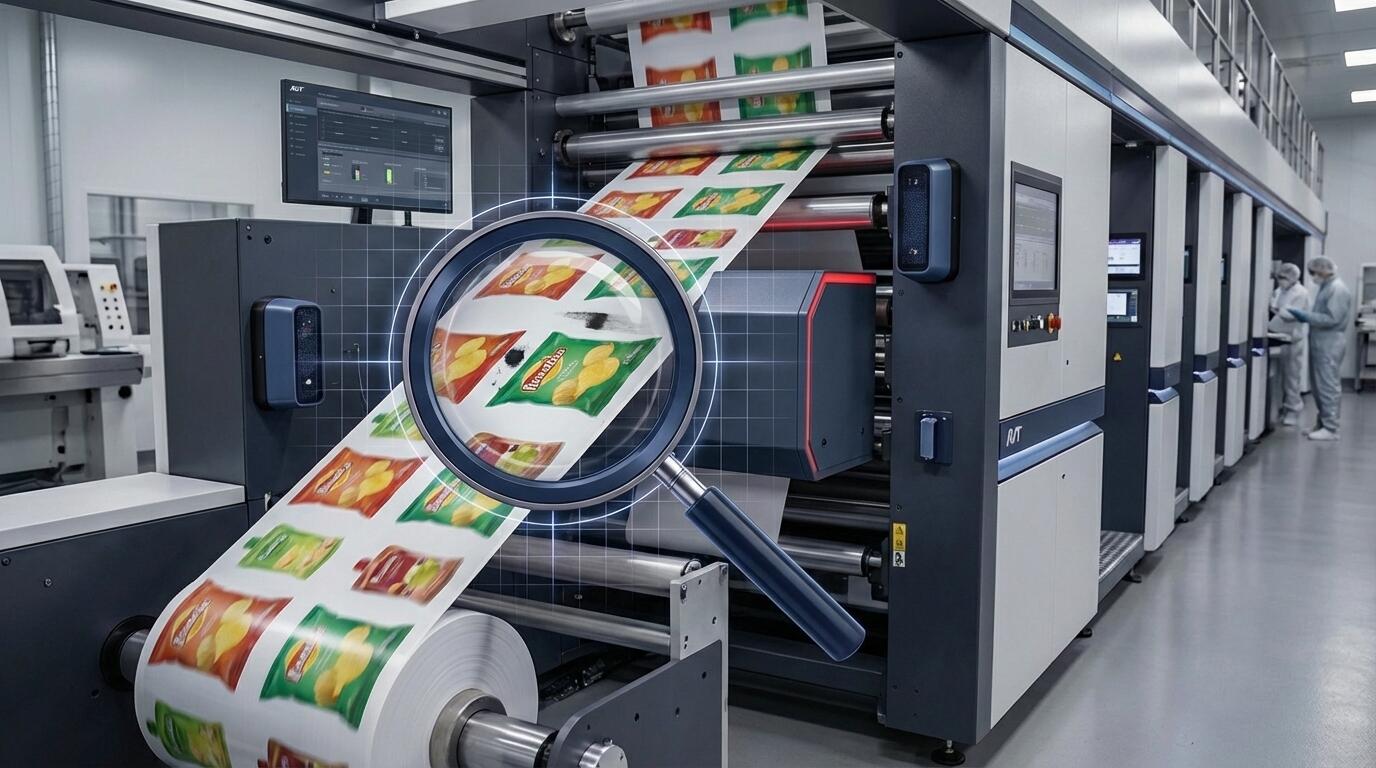
Print Errors and Process Drift — Conventional flexo loses 150-400 meters per job change. Each manual color correction burns another 50-150 meters. How much of your annual substrate spend hits the floor before a single good unit ships?
Regulatory Exposure — The EU’s PPWR began applying from August 2026, with binding deadlines from 2030 through 2040. Brand owners are already building supplier scorecards around production waste. Can your data prove a measurable waste reduction to a customer who asks today?
Makeready and Hidden Losses — Makeready waste, ink changeover, splice losses, and converting-stage rejects add up silently. If you totaled every meter lost across a full year, would the number surprise you?
This report puts real numbers behind each of these pressures, and shows where converters are recovering margin they assumed was already gone.
01 / How crude oil flows into every meter of film
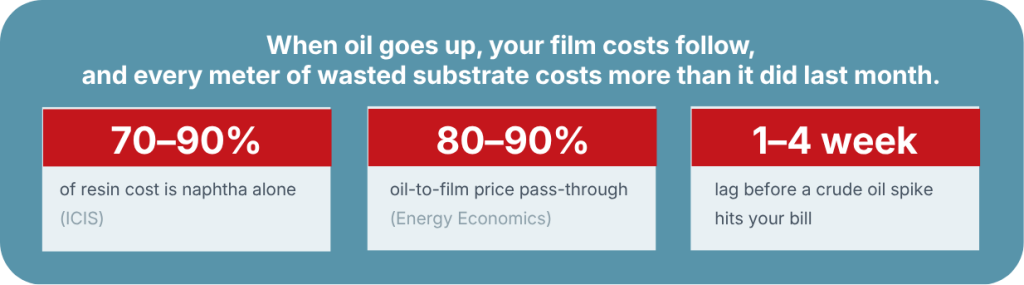
The film you print on every day is priced off crude oil. When Brent moves, your substrate cost moves with it. Every $10 per barrel rise in Brent crude adds roughly $110-175 per ton to the cost of the plastic film on your press. That increase reliably lands on your materials bill within one to four weeks, with 80-90% consistency across global markets (Energy Economics, King Fahd University).
The reason is a supply chain most converters don’t think about day to day but pay for constantly. Crude oil gets refined into naphtha, cracked into monomers, polymerized into resin, and extruded into the BOPP, polyethylene, and PET rolls your purchasing team buys. Naphtha alone accounts for 70-90% of resin production cost, and resin makes up 60-80% of finished film cost. The full chain from barrel to press is mapped in detail inside the report.
When oil goes up, your film costs follow. Every meter of wasted substrate costs more than it did last month.
The price increase doesn’t hit your materials bill the same week crude spikes, but it reliably arrives within one to four weeks.
02 / How external shocks change the calculus
Packaging converters have learned, more than once, that calm market conditions can reverse quickly. Oil price spikes are the most direct trigger, because of crude’s direct link to film feedstocks. But the Covid-19 pandemic demonstrated that supply chain disruptions, port closures, shipping container shortages, and import restrictions can drive material costs and scarcity just as sharply, and without the weeks of warning that crude futures sometimes provide.
The rest of this report covers what you can do about it.
The full article puts a specific dollar figure on what your scrap rate is costing you at current and spiked film prices, shows what converters with tighter quality controls recovered through these same periods, maps the regulatory deadlines now turning production waste into a compliance metric, and calculates exactly what each month of delay costs in substrate, margin, and brand-owner confidence.