

AutoEdit AI in Etiketten-Labels: The Bottleneck
No One Talks About
17 Sep 2026
Our latest article in Etiketten-Labels, one of the leading trade publications for the label and narrow-web converting industry, tackles a production challenge that rarely gets the attention it deserves: the gap between detecting a defect and deciding what to do about it.
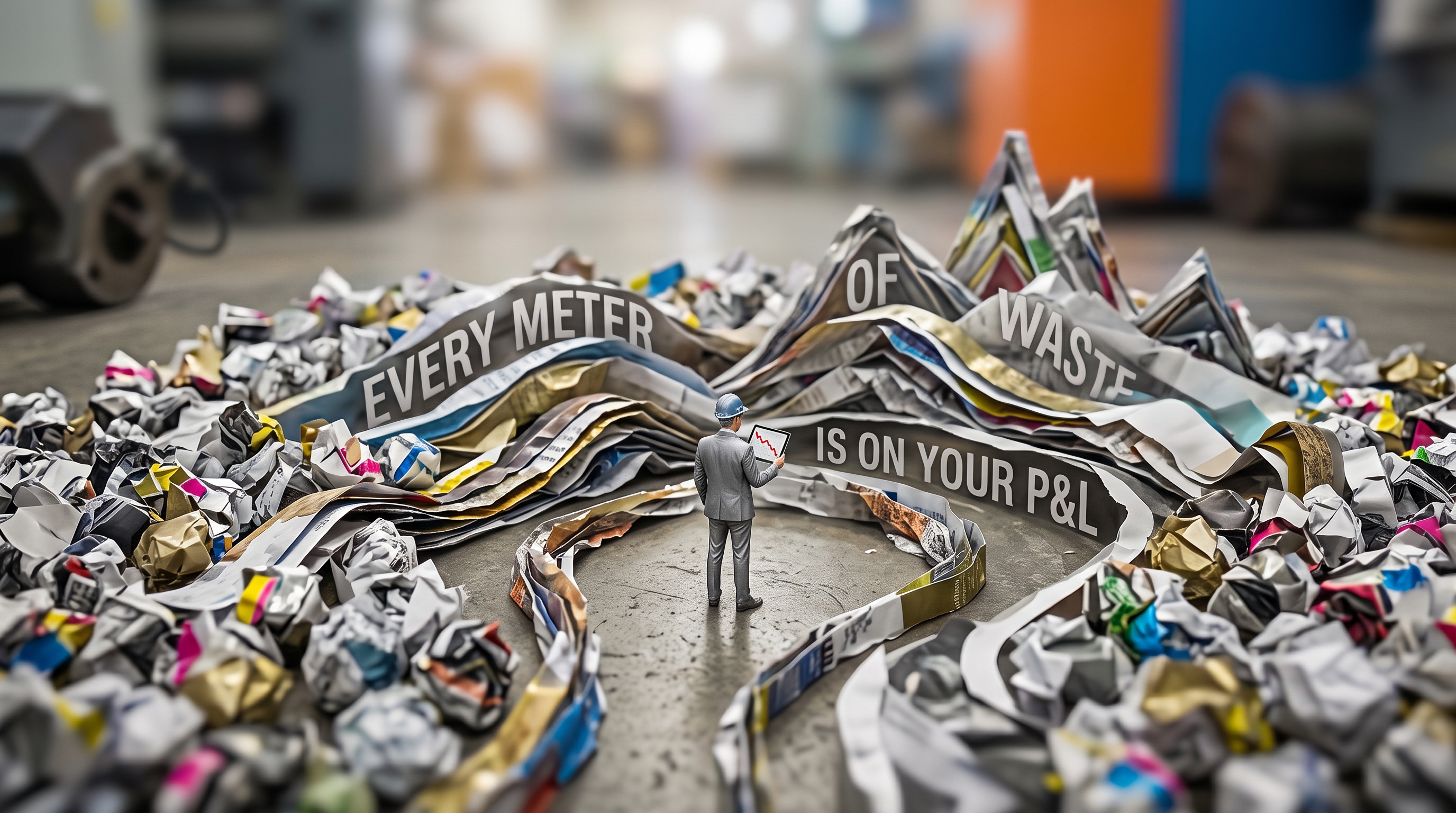
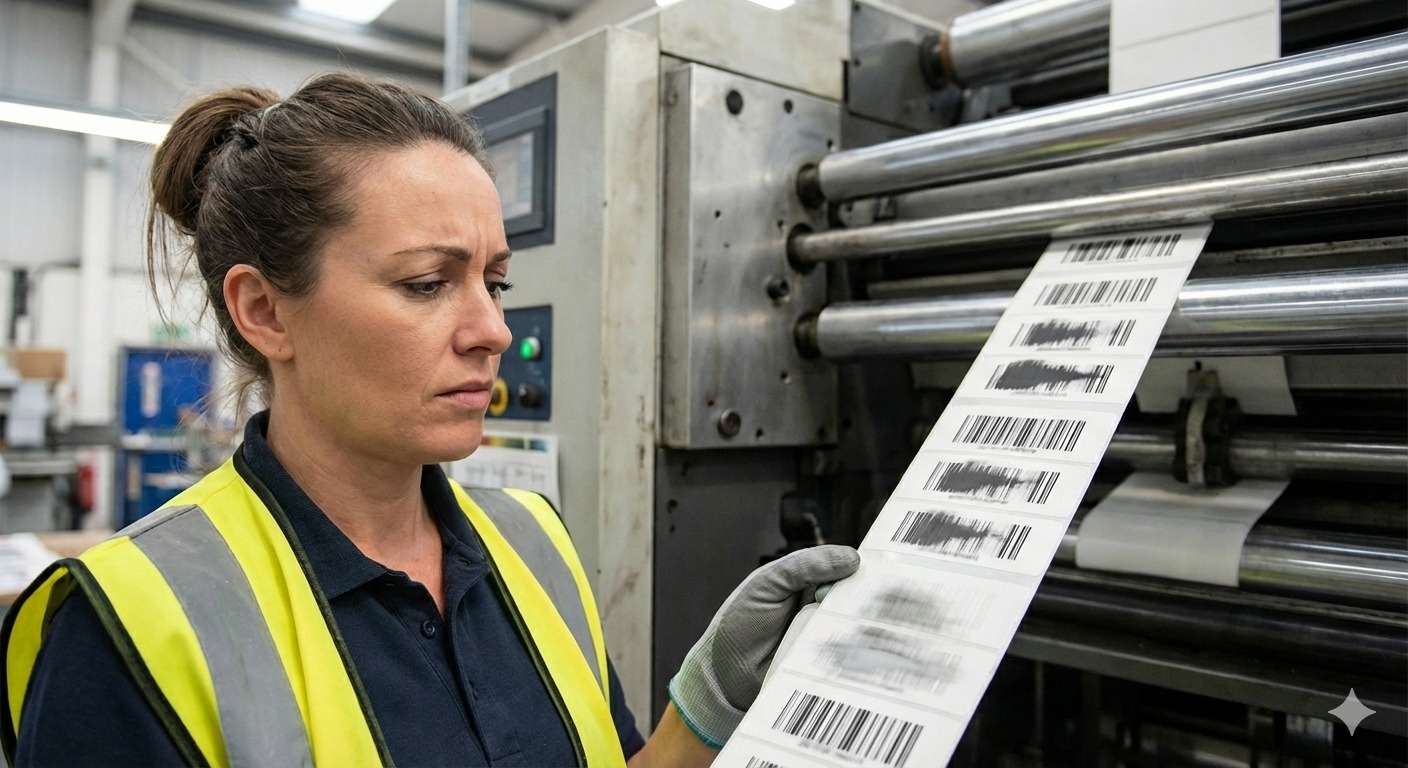
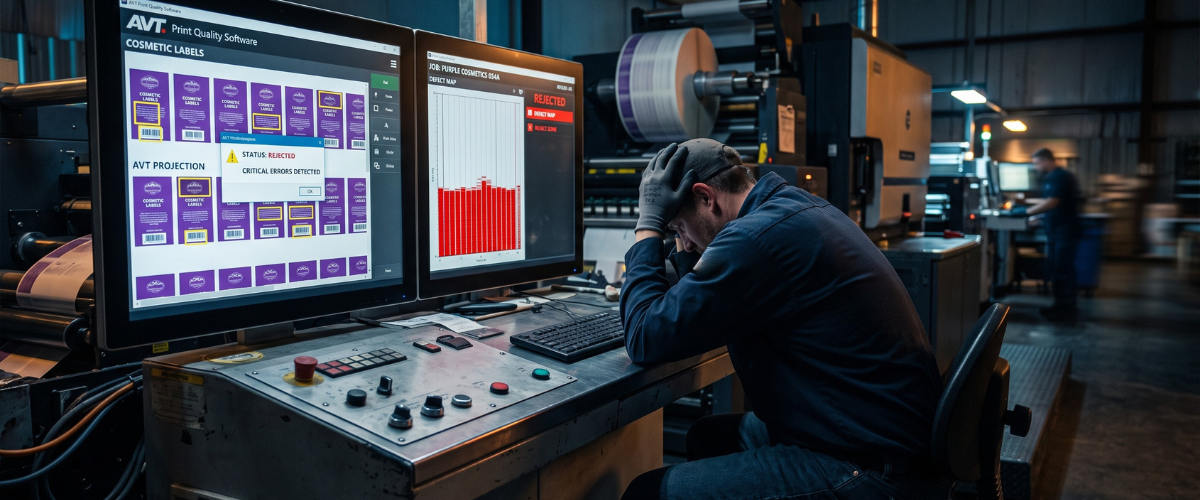
Catching defects is only half the job. The other half is deciding on them. Every AVT-inspected roll produces a log of every defect the camera caught. Someone on the floor still has to walk that log, one defect at a time, and judge whether each event makes the product salable or marks material for removal at the rewinder. On short runs and mixed jobs, that manual walk quietly becomes the slowest step in the entire roll lifecycle.
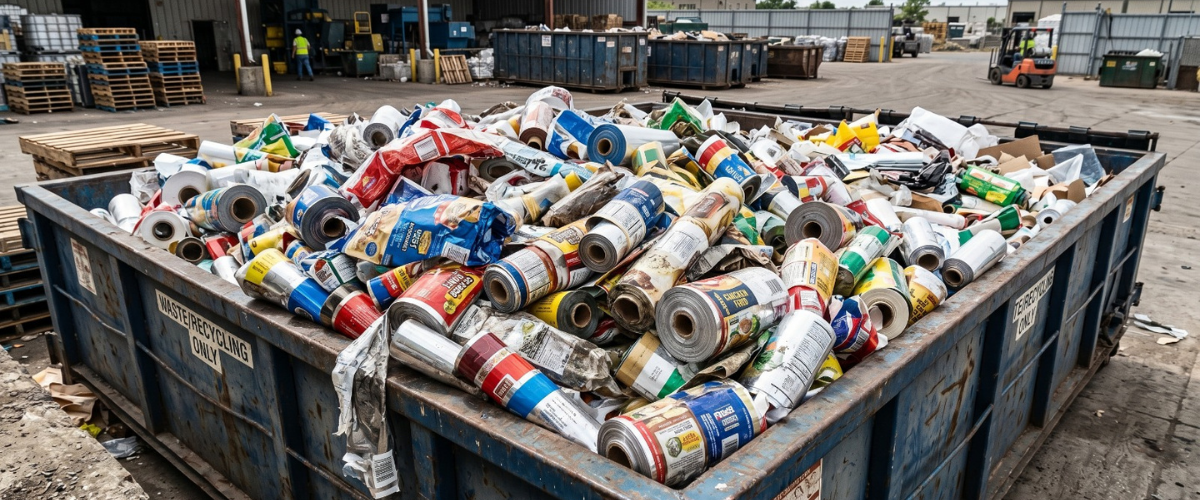
And the pressure keeps building. Run lengths are shrinking, the number of versions per SKU keeps multiplying, and delivery windows keep tightening. The label sector’s defining advantage (its ability to serve high-mix, low-volume work) is also creating its defining bottleneck at the rewinder. Detection keeps advancing. Deciding is where the next productivity gain lives.
How AutoEdit AI changes the editing workflow
AutoEdit AI is a complementary AI engine for our 100% inspection platforms, including Helios, Argus, and Apollo. It does not replace the camera. It handles what comes next.
Salable defects never reach the operator’s screen. Non-salable defects go straight to the rewinder for removal. Only the calls that genuinely need human judgment appear for operator review. On the floor, the change is tangible: shorter defect lists, faster editing, and consistent decisions from shift to shift.
Trained across the industry, not a single plant
We trained AutoEdit AI centrally, drawing on thousands of real production runs across converters, substrates, and end markets, from wine and spirits labels to pharmaceutical cartons. A single site cannot generate enough decision variety to train a model with that kind of range. Our global installed base can.
Improvements reach converters through periodic software updates, so every site benefits from what the industry as a whole has taught the model. Proprietary job data stays with the customer.
The operator keeps the last word
When the model falls below its confidence threshold on a given defect, the decision routes directly to the operator. PrintFlow Manager logs every call (whether the AI or the operator made it), so quality managers can trace any roll’s history and see exactly how each decision was reached.
For converters running pharma, food, cosmetics, or healthcare packaging, that audit trail carries real weight. It brings machine and human decisions together in a single record, reinforcing the documentation quality teams already produce for customer audits.
A software upgrade, not new hardware
AutoEdit AI runs inside PrintFlow Manager, on the screens operators already use, across Argus, Apollo, and Helios installations already in the field. No new station and no new interface to learn. On every roll, it shortens the gap between inspection and finishing.