And how to reduce them across the production floor
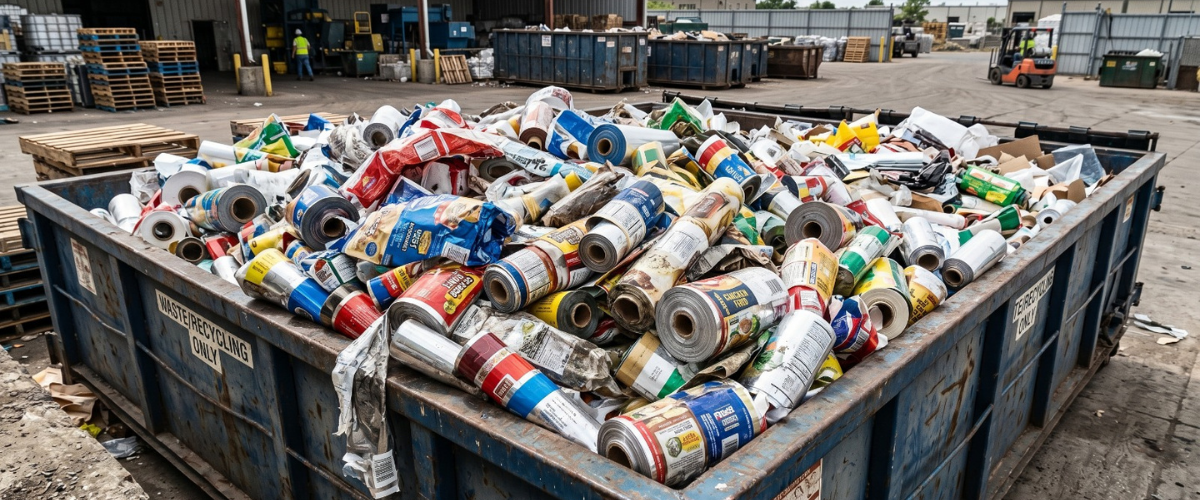
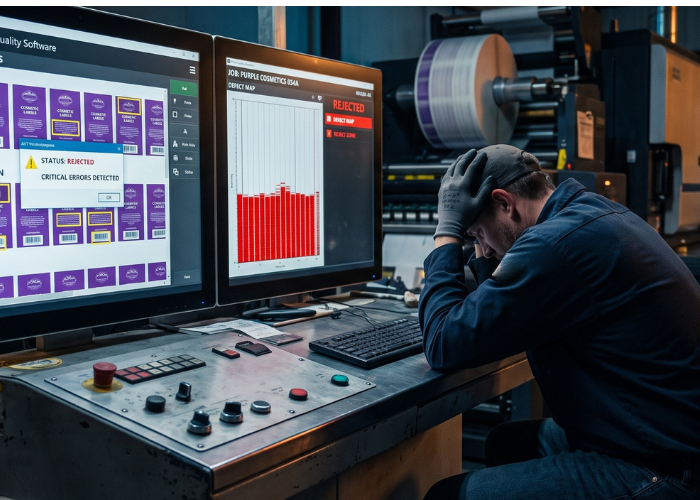
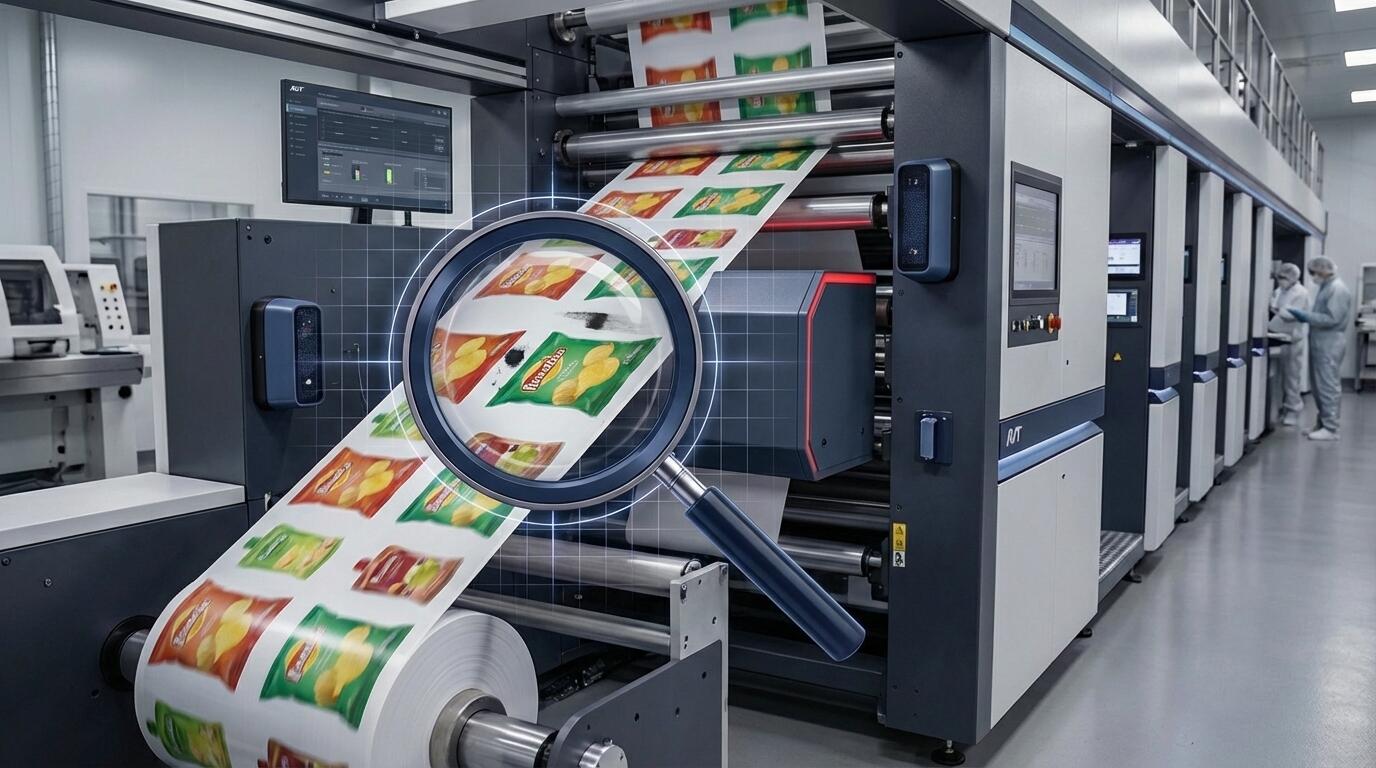
Few things frustrate a press operator or production manager more than a preventable reprint, especially when the defect surfaces late in converting or at the brand owner’s facility. A plate mix-up, an unapproved artwork version, an underestimated scrap count during slitting: without reliable packaging defect detection, any one of these can burn valuable press time, waste expensive substrates and erode profitability.
Across flexible packaging, labels, and folding cartons, industrial printers can’t treat reprints as routine. A 100% inline print inspection system gives operators the control and confidence they need to identify costly errors early and significantly reduce the risk of reprints.
The cumulative cost of a single reprint
One rerun might look manageable on paper. But the true cost across the shop floor adds up fast:
-
- Lost Press Capacity: Every rerun eats press time that could go toward new, revenue-generating orders.
-
- Scrapped Substrates & Inks: Direct loss of costly substrates (BOPP, PET, specialized papers, folding board), inks, coatings, and adhesives.
-
- Downstream Converting Bottlenecks: Lamination, die-cutting, and slitting lines grind to a halt waiting for replacement rolls.
Catching errors at setup: before high-speed production begins
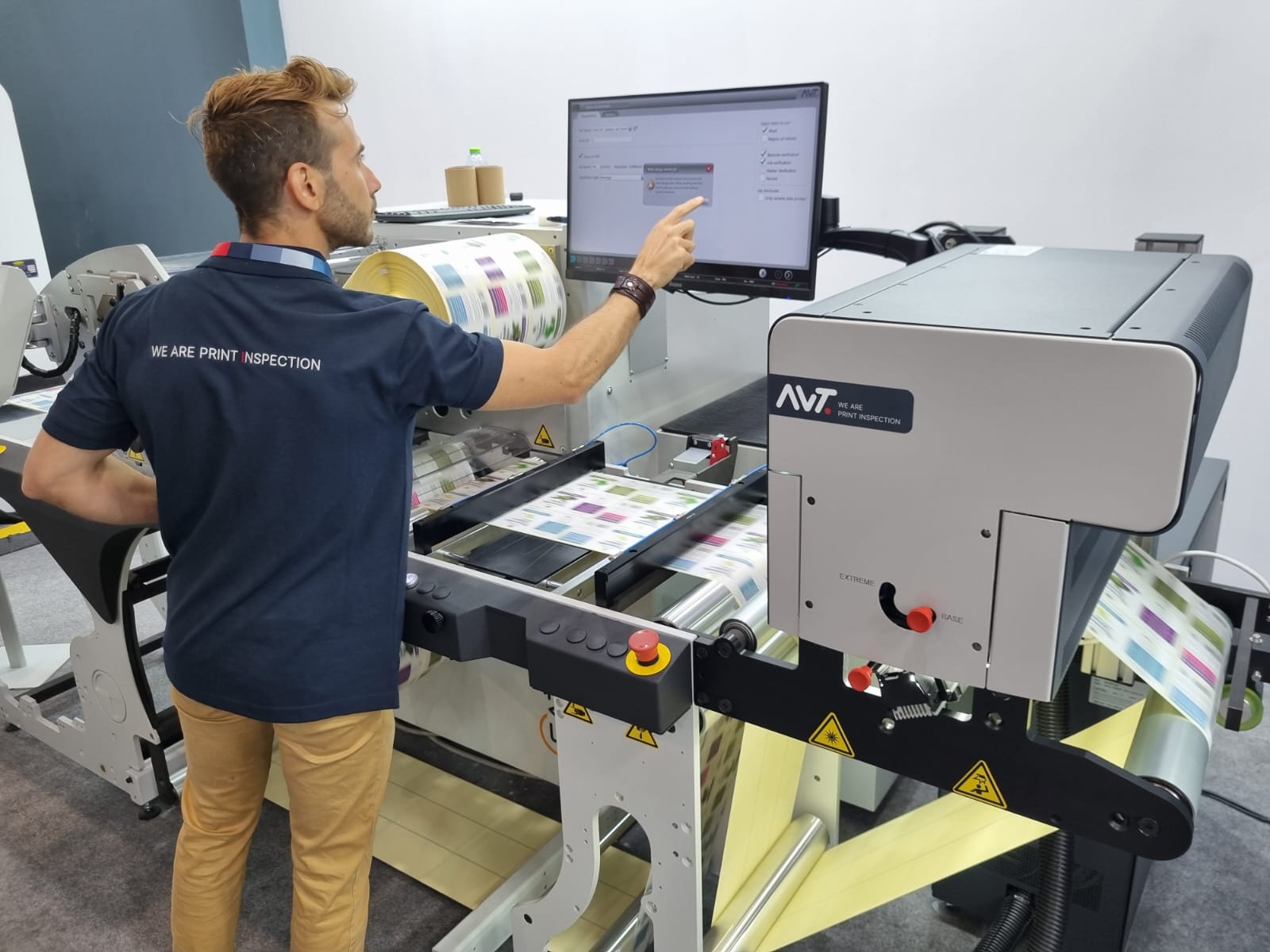
AVT’s 100% inspection systems provide automated job verification tools that help identify critical job setup errors before the press ramps up to full production.
Because the Master becomes the reference for 100% inspection throughout the production run, verifying it against an independently approved reference helps ensure that production starts with the correct job content.
JobRef (Master-to-PDF Verification): Typically used for the first production run of a job, JobRef compares the Master image acquired by the AVT inspection system at the beginning of production against the customer-approved PDF. This automated verification helps operators identify differences between the approved artwork and the printed Master before full production begins.
JobRef can help identify discrepancies such as:
-
- Incorrect languages or version revisions.
-
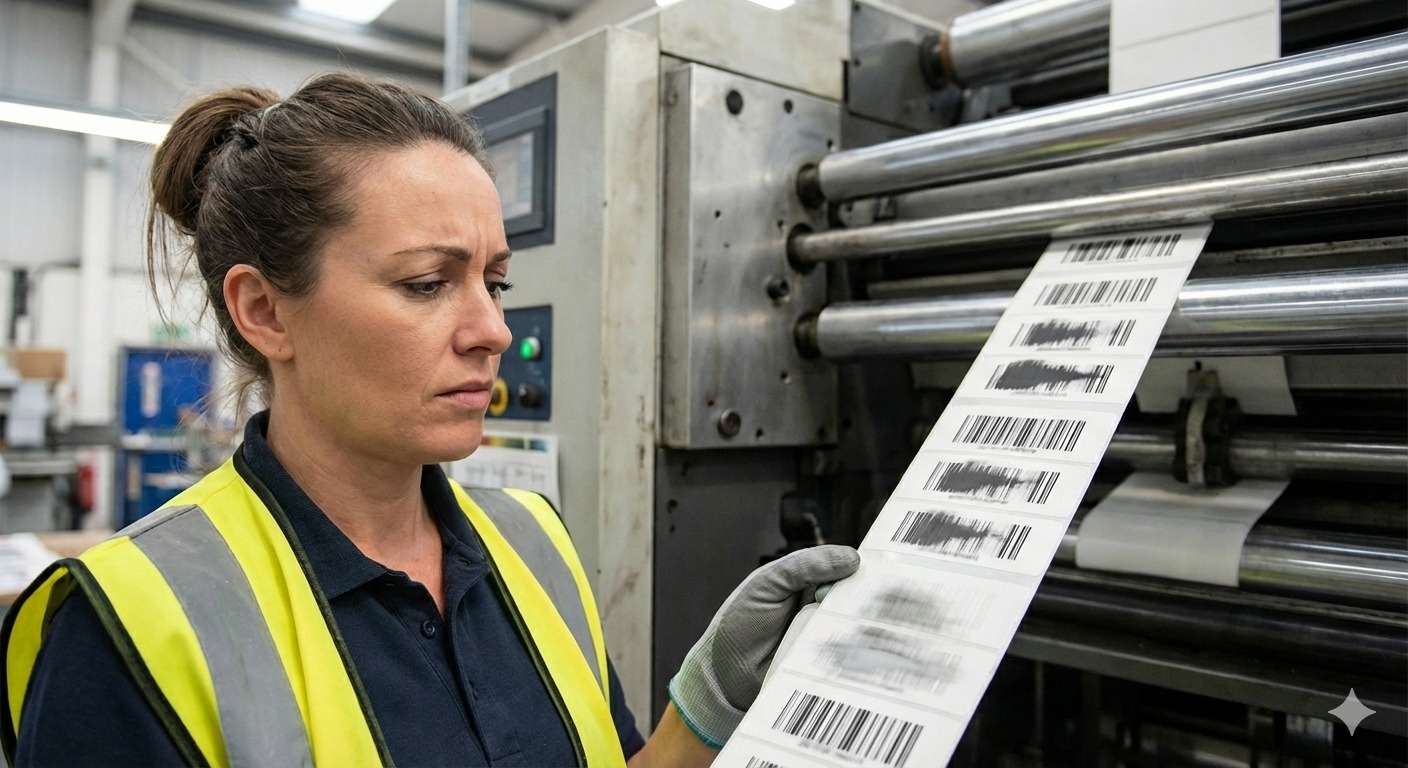
- Missing, incorrect, or changed graphic elements, including barcodes
-
- Misplaced logos, nutrition tables, or cut-marks.
MasteRef (Master-to-Master Verification): Compares the Master image acquired by the AVT inspection system at the beginning of a repeat production run against an approved Master image stored from a previous run, helping operators verify that the correct job content has been set up before full production begins. Because the comparison is between two printed images, MasteRef significantly reduces unwanted detections caused by inherent differences between the PDF and the actual printed result.
JobRef and MasteRef help verify that the Master acquired at the beginning of production contains the correct job content. Once verified, AVT’s 100% inspection system uses the Master as its reference to continuously monitor the production run for print defects and process deviations.
Good material tracking
Underestimating scrap, then discovering late in slitting or finishing that the job came up short, is another hidden trigger for emergency reruns. AVT’s automatic good material monitoring tracks the quantity of good material produced, before operators declare the job complete.
Good material tracking helps prevent costly under-runs and helps ensure that the required quantity is produced, without last-minute patches or emergency press setups.
Preventing reprints with 100% inspection turns print quality control from reactive troubleshooting into real-time prevention
Preventing reprints with 100% inspection turns quality management from reactive, post-run troubleshooting into real-time prevention on the press:
-
- Automated verification before the press ramps up to full speed.
-
- Continuous inline defect detection during production.
-
- Precise tracking of good output versus scrap.
-
- Full reporting and job history for complete traceability.
Talk to AVT about reducing reprints on your line
Whether you run high-speed flexible packaging or short-run, multi-SKU label jobs, reducing reprints protects your margins and keeps brand owners’ trust intact, freeing up plant capacity for the orders that actually pay.