

Every Wasted Meter Counts:
Roy Porat and Guy Yogev on Margins, Regulation, and What Converters Control
Written by Packaging World Insights, 15 Sep 2026
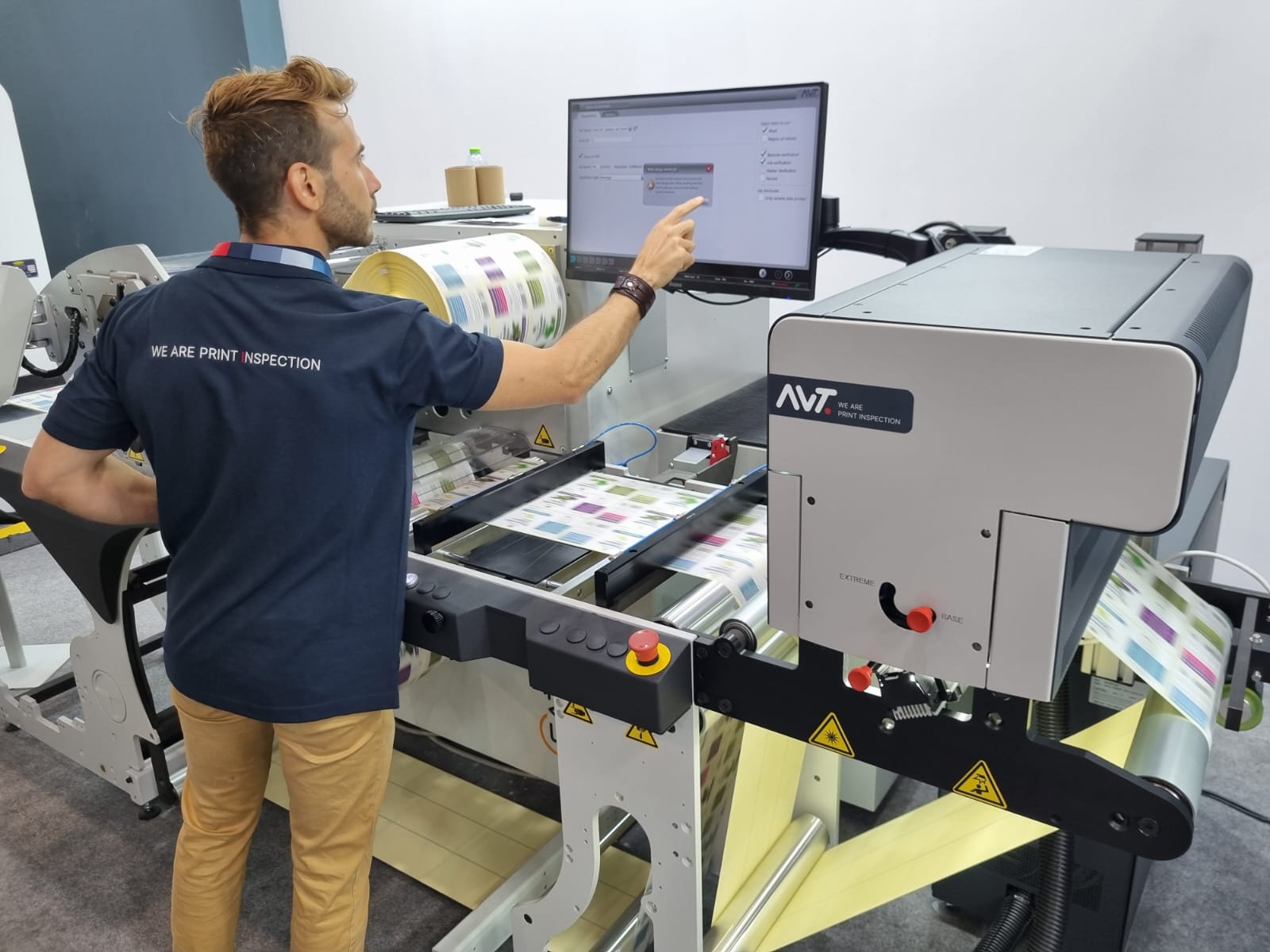
AVT CEO Roy Porat and VP Product & Marketing Guy Yogev sat down with Packaging World Insights for an in-depth conversation about how volatile raw material costs are changing the way flexible packaging converters approach waste, margins, and inline print inspection. The interview covers market pressures, real production floor economics, regulatory shifts under PPWR, and where AVT sees the technology heading next.
When material costs spike, waste gets more expensive
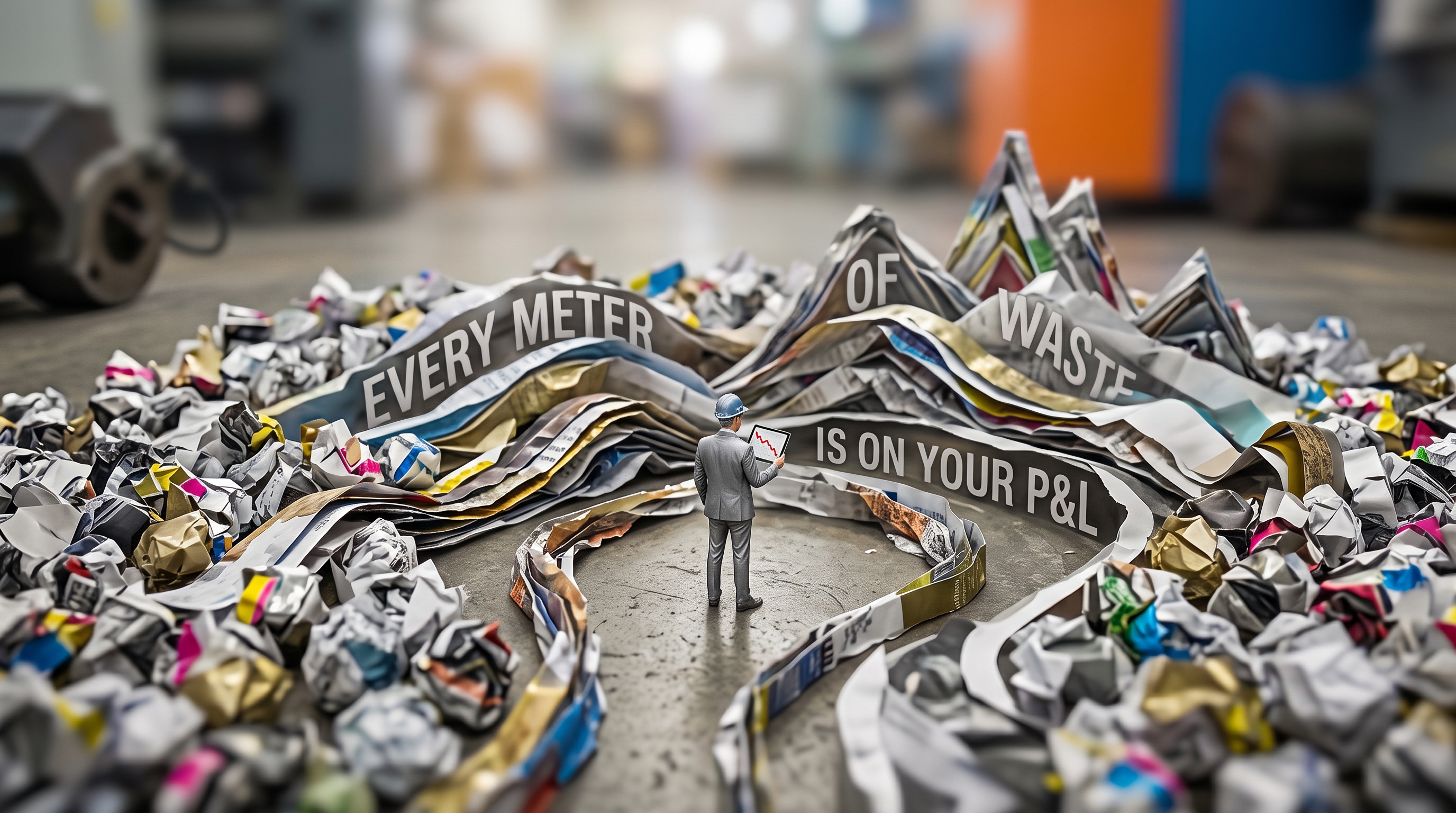
Roy described the impact in concrete terms. A converter running at 5% scrap on substrate priced at $2,500 per ton loses roughly $225,000 a year in wasted material. When film prices jumped to $3,750 per ton in a single quarter, that same 5% became $337,500. The operation didn’t change. The cost of the existing waste rate climbed by over $100,000.
But oil is only the most visible trigger. Over the past five years, Covid-era shipping disruptions, geopolitical trade route closures, and now the EU’s PPWR regulation have all amplified the same underlying pressure. Input costs rise, and every wasted meter on the production floor carries a higher price.
“The waste rate is the one variable you control. Oil prices, shipping costs, trade policy, regulation, brand-owner demands, none of those are in your hands. Your scrap rate is.”
Roy Porat, CEO, AVT
How inline inspection acts on production waste
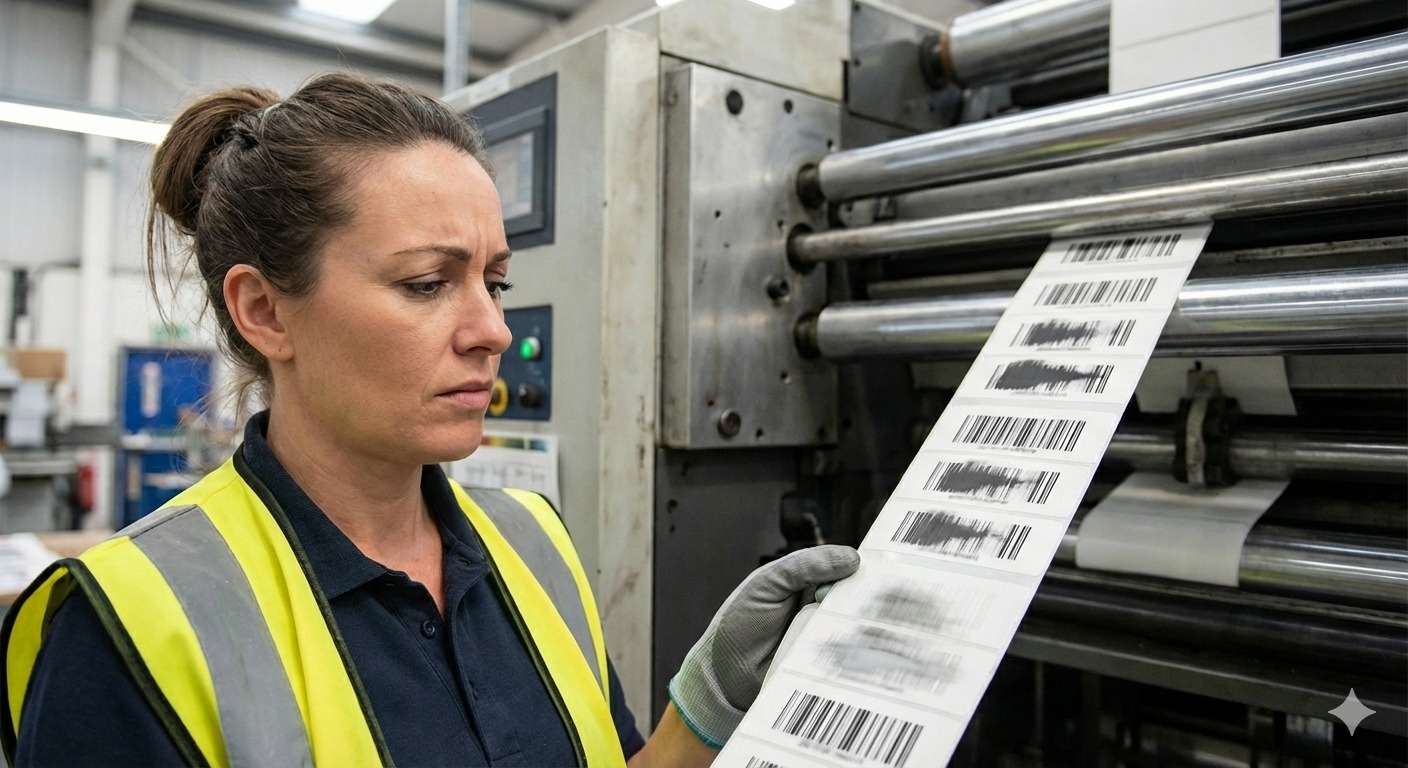
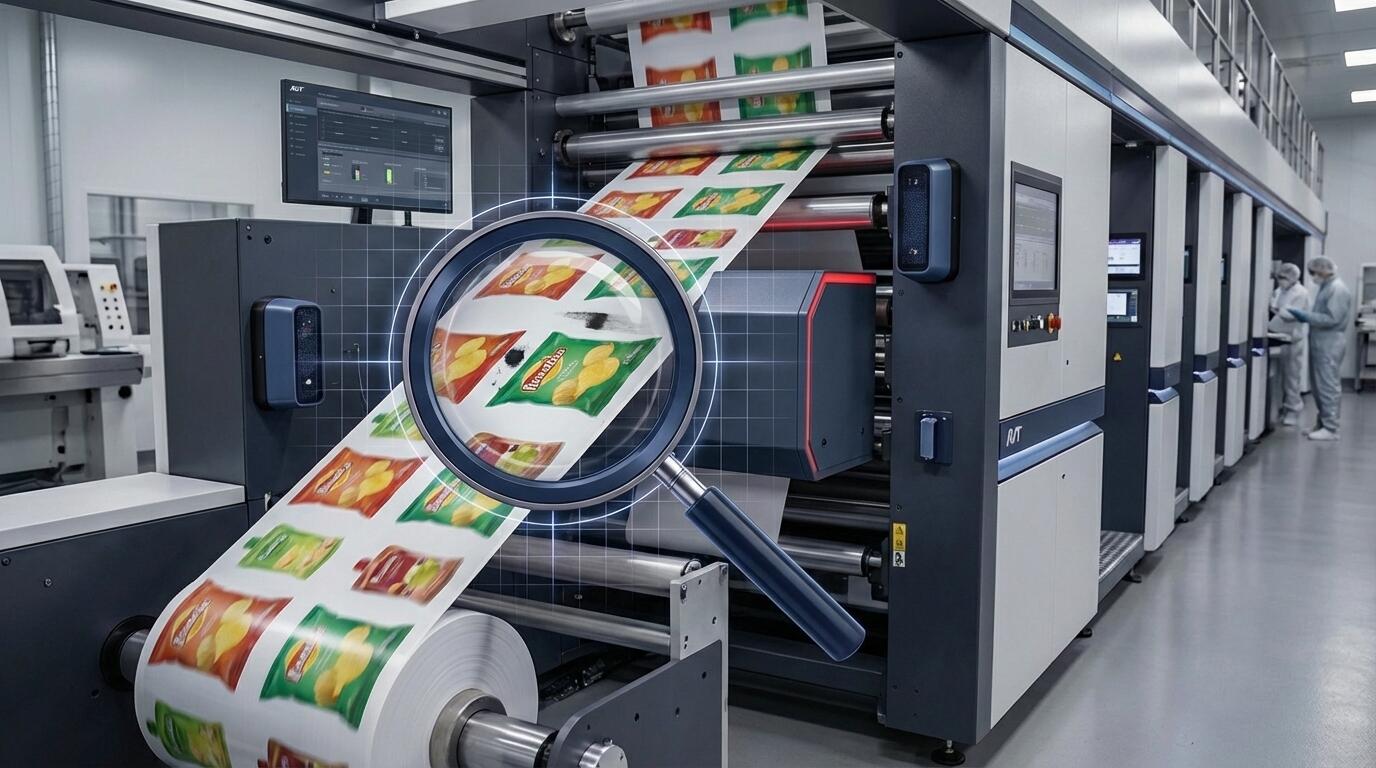
Guy broke down how inspection addresses four categories of production loss at once: preventing reprints by catching artwork or setup errors before the first meter prints, detecting process drift while the operator can still correct it, protecting substrate alongside ink, energy, and press time on every out-of-spec meter, and shortening makeready through inline registration control and color measurement.
He walked through a scenario to illustrate. A wide-web flexo press running at 400 meters per minute on BOPP film can lose 750 to 1,500 meters of substrate when a gradual ink density shift develops over 10 to 15 minutes without anyone catching it. With inline measurement, the system detects the drift within meters of onset, and the operator corrects before waste builds. At $3,750 per ton, those saved meters add up fast across multiple presses and shifts.
Regulation, data, and the road ahead
The regulatory picture adds urgency. PPWR now carries binding waste reduction targets with deadlines running through 2030 and beyond. And brand owners aren’t waiting for those deadlines. They’re already building supplier scorecards around documented waste performance. Converters who can prove their reduction with real production data hold a commercial edge. Those who can’t risk losing business to competitors who can.
“When a brand owner tells a converter ‘We need documented evidence of your waste reduction as a condition of our next contract renewal,’ sustainability becomes a qualification requirement.”
Guy Yogev, VP Product & Marketing, AVT
Looking ahead, both leaders pointed to AI and machine learning as the next major evolution in print inspection. Guy noted that AVT’s installed systems generate massive volumes of production data every shift, and the company is building analytical tools that move converters toward anticipating defect events before waste accumulates. He signaled significant developments ahead, without detailing the full roadmap.
Roy, who returned to lead AVT as owner and CEO when the company regained its independence in early 2025, closed with a direct message: the financial case for inspection strengthens every time external conditions tighten. With more than 8,300 systems installed worldwide, the evidence from converters who invested early is consistent. And each month of delay costs converters in substrate, in margin, and in the confidence of the customers they serve.