

AVT formally launches
AutoEdit AI at LOUPE Americas
Written by Lidor Sweary, 09 Sep 2026

From detection to decision: AI-driven post-inspection classification is now formally available for AVT Helios, following its introduction to the market at Labelexpo Europe 2025
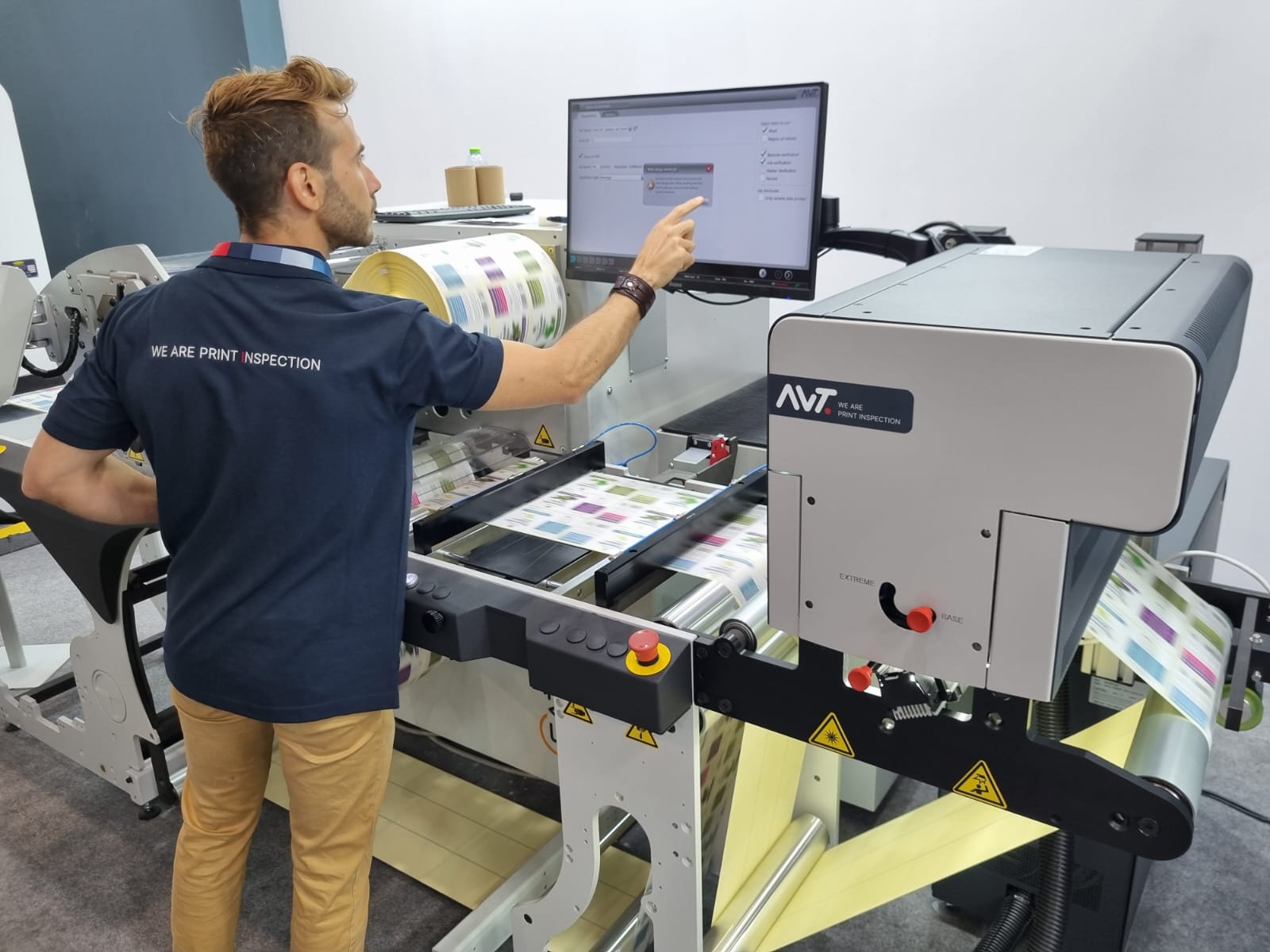
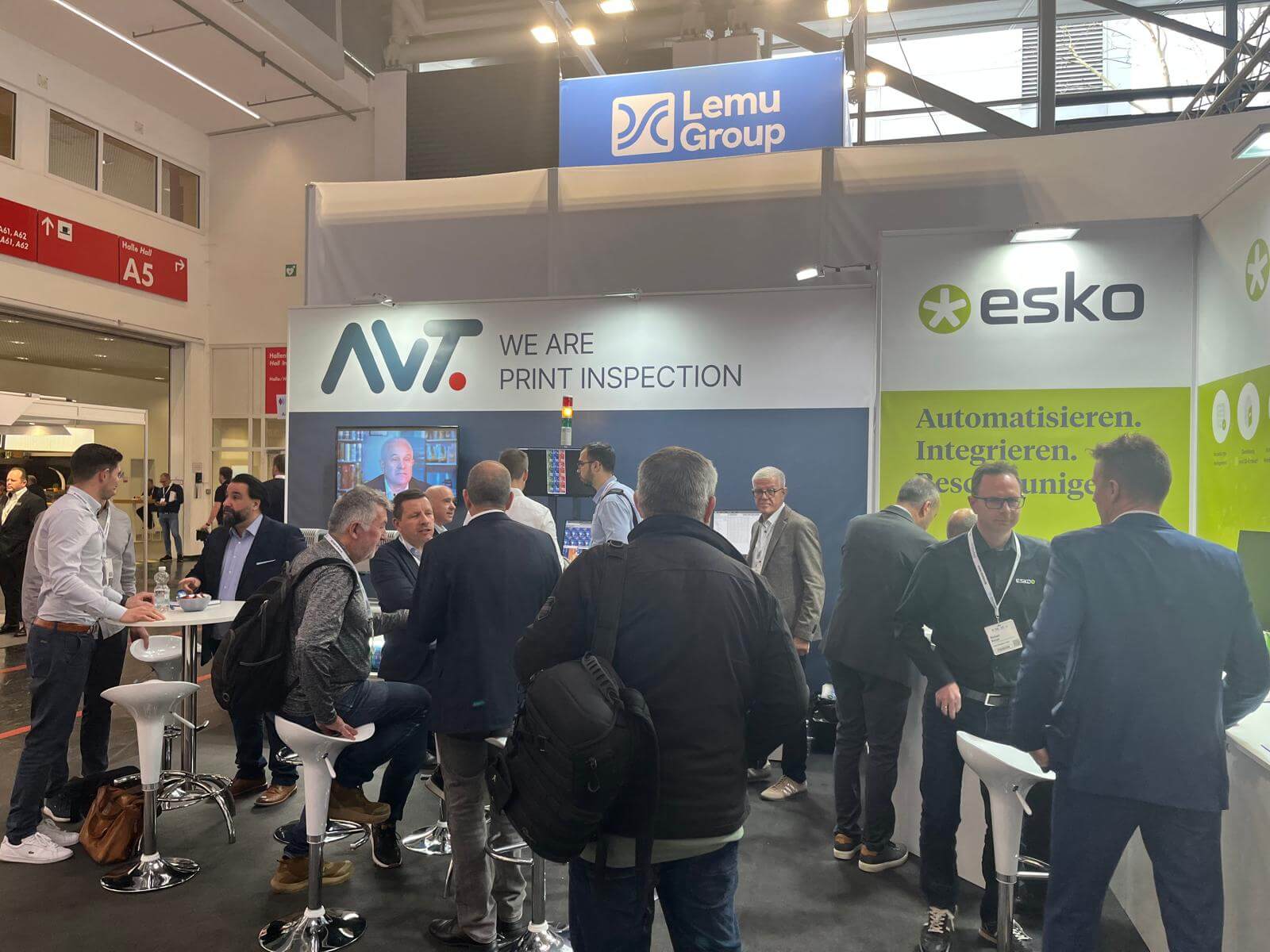
AVT (Advanced Vision Technology), a global leader in print inspection solutions, is driving the evolution of print inspection. The company is moving from finding defects to intelligently deciding what to do with them. Visitors can experience the module in action at AVT booth #3523.
First introduced to the market at Labelexpo Europe 2025, AutoEdit AI has since been running on converter floors. It is reshaping how quality decisions are made after inspection. The formal launch at LOUPE Americas confirms its availability to the wider label market on AVT Helios 100% print inspection systems.
Solving the bottleneck after the camera
For label converters, defect detection has long been a settled question. AVT’s Helios platform catches defects at press speed on every substrate a label operation runs. What remains a daily production challenge is what happens next: the manual review of the virtual roll.
Operators must walk through every logged defect. They then decide whether each one is salable or should be removed at the rewinder stage.
“Detection has been a settled question in our industry for years. What has changed is the pressure on everything that happens after it,” said Guy Yogev, VP of Marketing & Product, AVT. “As short runs, versioning and personalization multiply, that manual review of the virtual roll for final waste removal decision has become one of the real constraints on throughput, manpower and consistency between operators and between shifts. AutoEdit AI is designed to lift that classification burden directly.”
How AutoEdit AI works
AutoEdit AI is a complementary, AI-driven decision engine. It runs after the Helios inspection. It also runs just prior to AVT Workflow Link automatic waste removal at the slitter rewinders.
The system classifies every logged defect into one of three categories: salable, non-salable, or need final review. Only the few remaining “need final review” calls reach the operator. The operator then reviews them and makes the final decision. The system handles the rest before the operator opens the virtual roll.
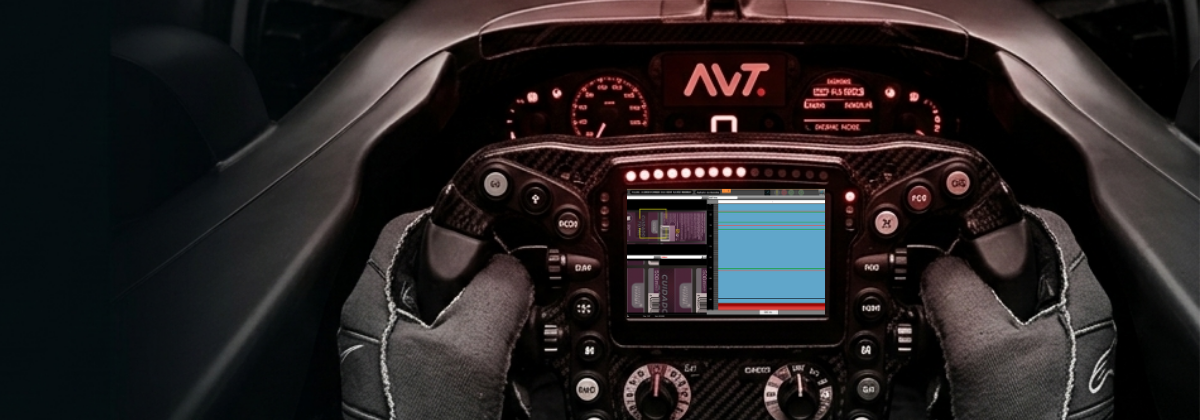
The module runs inside PrintFlow Manager. This is the interface operators already use to review the virtual roll and drive the finishing workflow. There is no new station and no new screen to learn. The pre-sorted view arrives inside a familiar environment. The operator’s time goes where it actually matters.
Trained centrally, refined continuously
AVT trained AutoEdit AI centrally using years of production data. The data comes from many converters, applications, substrates and end-market quality standards. That breadth gives the model its judgment.
Proprietary job data stays with the customer. Periodic model updates bring improvements to installations. They also carry the accumulated industry learning forward.
“AutoEdit AI reflects where AVT is going as an independent business – deeper into the intelligence layer of print inspection, and closer to the day-to-day realities of the converter’s shop floor,” said Roy Porat, CEO of AVT. “Helping our customers turn the data our systems generate into better, faster and more consistent decisions is the next chapter of what we do.”
Human judgment stays in the loop
“We see AI an enabler and not as a human replacement,” said Roy.
The module follows a safety-net principle. Any defect the model is not fully confident about goes to the operator rather than receiving an automatic call. PrintFlow logs every classification and every operator override. This produces an audit trail that fits directly into the quality documentation that pharma, food, healthcare and personal-care converters already provide to brand owners.
One early adopter, running AutoEdit AI on the production floor, described the change simply: “AutoEdit AI removed a step our team used to do manually on every roll. We’re catching more, editing less, and our operators are freed up to focus on the jobs that really need their expertise.”
Availability
AutoEdit AI is available now for AVT Helios installations on a subscription basis. The module includes both the software and the dedicated processing hardware required to run AVT’s AI models on the production floor.
Installers can add it alongside existing Helios systems. This does not disrupt the platform operators already know.
“AutoEdit AI is not a promise for the future, it is already contributing meaningfully on the converter floors that adopted it early,” added Guy. “The formal launch at LOUPE Americas is our invitation to the wider market to come and see what post-inspection AI can actually deliver in production.”
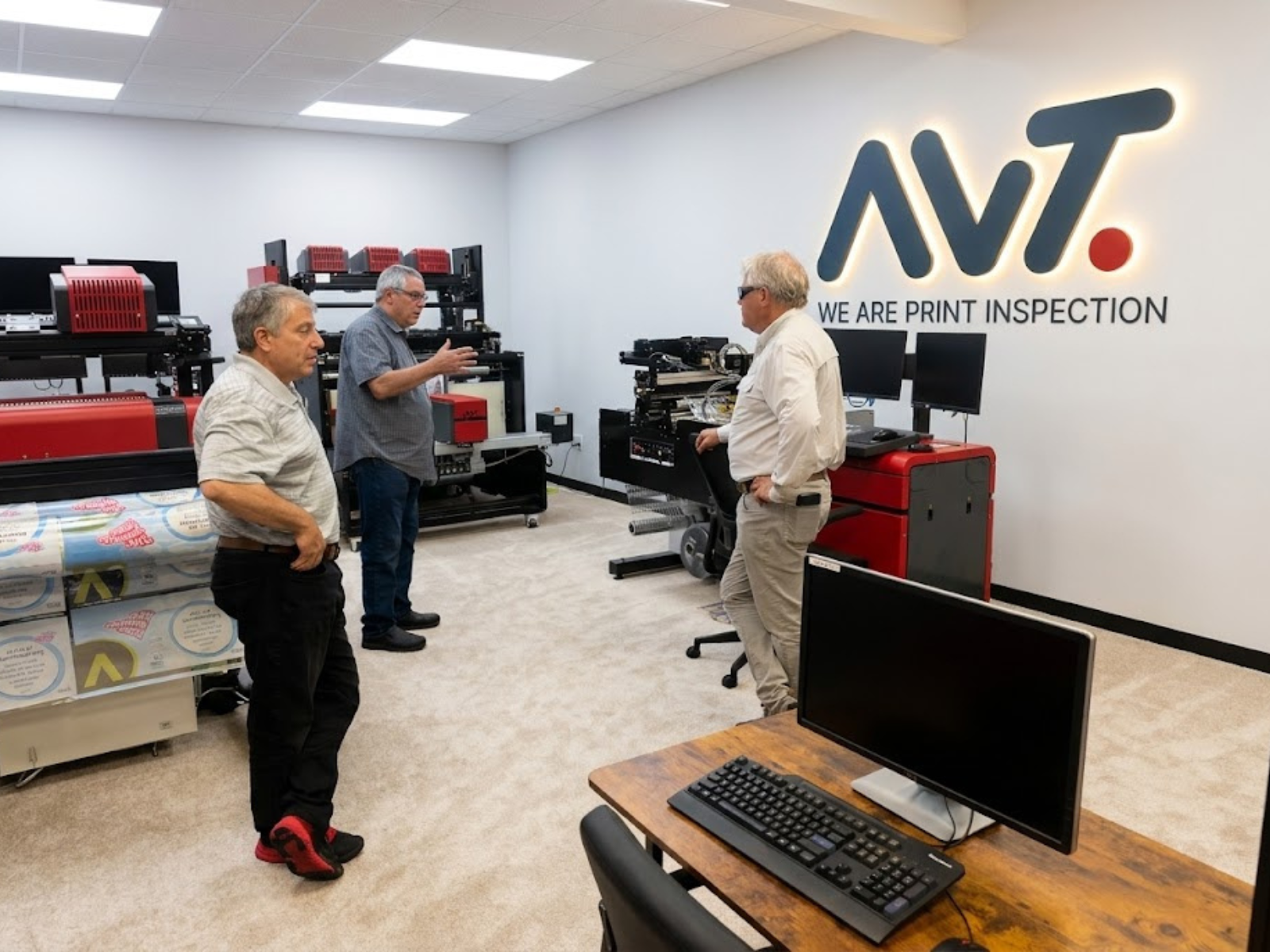
Visit the AVT team at booth #3523 at LOUPE Americas to see AutoEdit AI running live alongside the Helios 100% print inspection system, and to discuss how intelligent post-inspection classification can reshape production decisions on your floor.